
Small and midsize businesses increasingly turn to affordable, custom software to sharpen operations and support growth. This article lays out the key features, pricing approaches, and benefits of bespoke software — and explains how solutions can be shaped to fit your business. Off-the-shelf tools often miss critical needs, creating wasted time and missed opportunities. Custom development closes that gap by delivering applications aligned with your goals. Below, we cover the main benefits, the typical development process, and how to choose the right software development company.
Key Features
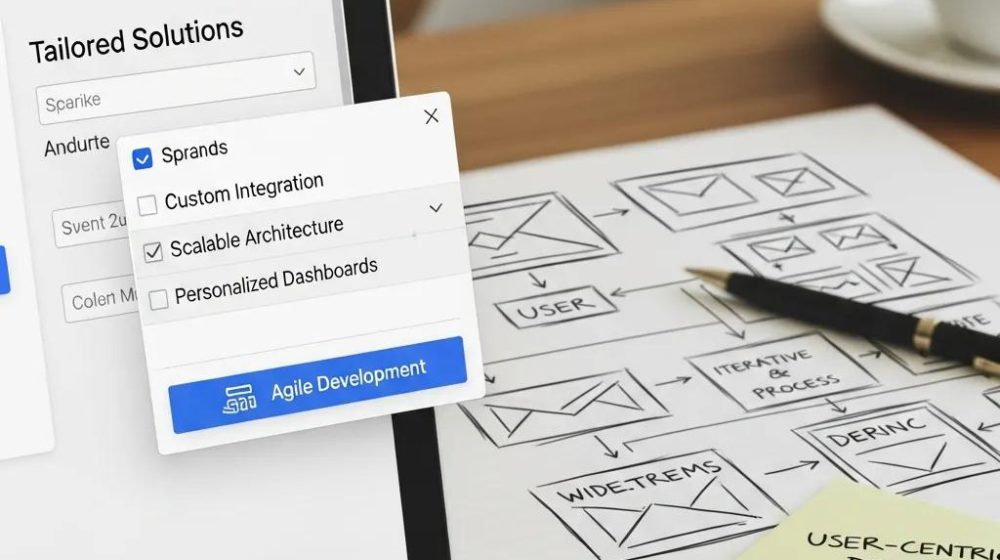
Affordable custom software packages include features that make them a practical choice for growing businesses. These features include:
- Tailored Solutions: Software built around your workflows so functionality matches how your team operates.
- Agile Development: Delivered in short, iterative cycles so you can adapt quickly as priorities change.
- Quality Assurance: Thorough testing to catch issues before launch and keep the system reliable.
- Scalability: Architected to grow with your business, handling more users and new features over time.
- Post-Development Support: Ongoing maintenance and updates to keep the software secure and current.
Together, these elements increase the value of custom software and make it a strategic investment for improving operations.
Pricing Models
Choosing a pricing model affects budget, flexibility, and how the project is managed. Common models include:
| Pricing Model | Description | Typical Use Case |
|---|---|---|
| Fixed-Price | A single agreed fee for the entire project — best when requirements are well defined. | Projects with clear requirements. |
| Time-and-Materials | Billed for actual hours and resources used — ideal when scope may evolve. | Projects needing flexibility. |
| Dedicated Team | An assigned team works on your project for a set period, supporting continuous development. | Long-term projects with continuous needs. |
Knowing how each model works helps you match the cost structure to your project needs and budget.
Success Stories

StepSharp has delivered custom software across industries. Notable examples include:
- Healthcare Solutions: A patient management system that streamlined workflows and improved care coordination.
- E-commerce Platforms: A scalable online store that improved the user experience and lifted sales.
These case studies show how tailored software solves specific industry challenges and drives measurable results.
Industries Served
StepSharp works with a broad range of industries, tailoring software to their operational realities. Industries served include:
- Healthcare: Systems that improve patient care and simplify administrative tasks.
- Finance: Custom tools for better financial management and reporting.
- Education: Platforms that support learning and streamline administration.
- Logistics: Solutions that optimize supply chain processes and tracking.
By focusing on these sectors, StepSharp delivers solutions that are relevant, practical, and impactful.
What Are the Key Benefits of Affordable Custom Software Development for Small Businesses?
Affordable custom software delivers several advantages for small businesses, including:
- Cost-Effectiveness: Over time, custom solutions can be more economical than repeated workarounds or costly off-the-shelf modifications.
- Tailored Solutions: You get software built to your needs, which improves efficiency and reduces friction.
- Scalability: The solution can expand as your business grows, adding features and capacity when you need them.
These benefits explain why many small businesses are choosing custom software to support growth and efficiency.
How Custom Software Solutions Enhance Business Efficiency and Growth
Custom software boosts efficiency by automating routine tasks and reducing manual work, freeing staff to focus on higher-value activities. It also delivers better data and analytics, so leaders can make informed decisions that drive growth. When software is aligned with business goals, it improves productivity, customer experience, and competitive advantage.
How Does the Custom Software Development Process Work?
The custom development process generally follows these stages:
- Requirements Gathering: Clarifying business goals, user needs, and technical constraints.
- Design: Creating UX/UI layouts and system architecture that meet those requirements.
- Development: Writing code and assembling the application according to the design.
- Testing: Running functional, integration, and user tests to find and fix issues.
- Deployment: Releasing the software into production and handing it over to users.
This structured approach helps ensure the final product meets expectations and quality standards.
What Are the Essential Stages in Developing Bespoke Software Solutions?
Developing bespoke software follows key stages to make sure the outcome fits your needs:
- Requirements Gathering: Identifying the specific problems the software must solve.
- Design: Producing detailed plans for interfaces and system components.
- Development: Building the solution per the design and technical plan.
- Testing: Verifying that features work correctly and reliably.
- Deployment: Implementing the software in the target environment and supporting the launch.
Following these stages is critical to delivering a successful, fit-for-purpose solution.
How Does Agile Methodology Improve Software Development Outcomes?
Agile improves outcomes by encouraging short iterations, frequent feedback, and close collaboration. Teams deliver working increments quickly, adjust to changing requirements, and continuously refine the product. That iterative focus reduces risk, speeds delivery, and keeps the end result tightly aligned with business needs. Successful bespoke projects rely on ongoing client engagement and agile practices to stay on target.
What Pricing Models Are Available for Affordable Custom Software Development?
Common pricing models for custom development include:
- Fixed-Price: A set budget for projects with clear scope and requirements.
- Time-and-Materials: Billing for actual hours and resources, suitable when the scope may change.
- Dedicated Team: An allocated team working on your project full-time for a period, ideal for ongoing work.
Understanding these options helps you choose the model that best fits your timeline, scope, and budget.
How to Compare Fixed-Price and Time-and-Materials Software Development Contracts
When weighing fixed-price versus time-and-materials contracts, consider:
- Project Clarity: Fixed-price works when requirements are stable; time-and-materials suits projects with evolving needs.
- Budget Control: Fixed-price offers predictable costs; time-and-materials provides flexibility but less certainty.
- Risk Management: Fixed-price shifts risk to the vendor; time-and-materials spreads risk between client and developer.
Weighing these factors will help you pick the right contract type for your project and risk tolerance.
What Factors Influence the Cost of Custom Software for Small Businesses?
Key factors that affect custom software costs include:
- Pricing Models: The contract type (fixed, T&M, or dedicated team) changes how costs are structured.
- Project Complexity: More features, integrations, or technical challenges increase effort and cost.
- Development Time: Longer timelines mean more labor and higher overall expense.
Understanding these drivers helps you plan and budget realistically for development.
How to Choose the Right Software Development Company for Your Business Needs?
Pick a development partner by evaluating:
- Technical Expertise: Confirm the team’s skills match your technology stack and needs.
- Portfolio and Experience: Review past projects to judge fit and delivery quality.
- Communication Skills: Clear, consistent communication is essential for a smooth collaboration.
Using these criteria will help you find a partner aligned with your goals and working style.
What Criteria Should Small Businesses Use to Evaluate Software Developers?
Small businesses should assess developers based on:
- Key Skills: Verify technical competence in the required areas.
- Relevant Experience: Favor teams that have built similar solutions or served your industry.
- Portfolio Assessment: Inspect previous work to evaluate quality and problem-solving ability.
These checks make it easier to identify capable developers who can deliver results.
What Are the Advantages of Outsourced Software Development Services?
Outsourcing development offers several advantages:
- Custom Solutions: Access specialists who can design and build tailored systems.
- Professional Expertise: External teams bring diverse experience and best practices.
- Cost Savings: Outsourcing can reduce overhead and provide more predictable staffing costs.
These benefits make outsourcing a practical option for businesses that want to scale capabilities quickly and efficiently.